
Integrating PV panels on the roof is a powerful step towards harnessing solar energy for your home. These panels convert sunlight into electricity. Provides a sustainable and cost-effective energy solution. By installing PV panels on the roof. You can reduce your dependence on traditional energy sources. Can reduce your electricity bill and contribute to environmental protection. You’re looking to improve your home’s energy efficiency. Or whether you’re looking to invest in a greener future. Rooftop PV panels offer a practical and effective solution.
PV panels have what is known as the photovoltaic effect. Works on a simple but interesting principle. This process begins when photons from sunlight strike the surface of a panel. These photons are the semiconductor material within the panel. Usually absorbed by silicon. This absorption creates an electric field across the layer of silicon. Electrons generate electricity as we set in motion. This direct current (DC) electricity is converted into alternating current (AC) through an inverter.
This makes it usable for residential purposes. The efficiency of this conversion process is very important. Because it determines how much of the sun’s energy can be turned into usable energy. Key advances in technology continue to improve these efficiency rates. That makes solar energy an increasingly viable option for homes and businesses alike. How PV panels work. This foundational understanding is necessary to consider integrating solar energy into their energy mix.

To ensure your home is a good candidate for PV panel installation. Several key points need to be considered. First, the direction your roof is facing significantly affects the panel’s performance. South-facing roofs generally provide the best sunlight exposure. The slope or pitch of your roof also plays an important role. Because certain angles can maximize solar absorption.
In addition, it is very important to check for any potential shading problems caused by trees, buildings, or other structures. which can block sunlight from reaching the panel. Weather patterns in your area can affect PV system performance. So local climate conditions should be factored into your assessment. Consulting a solar energy expert can provide valuable insight into these considerations. That will help you make a decision about the feasibility of installing PV panels on your roof.
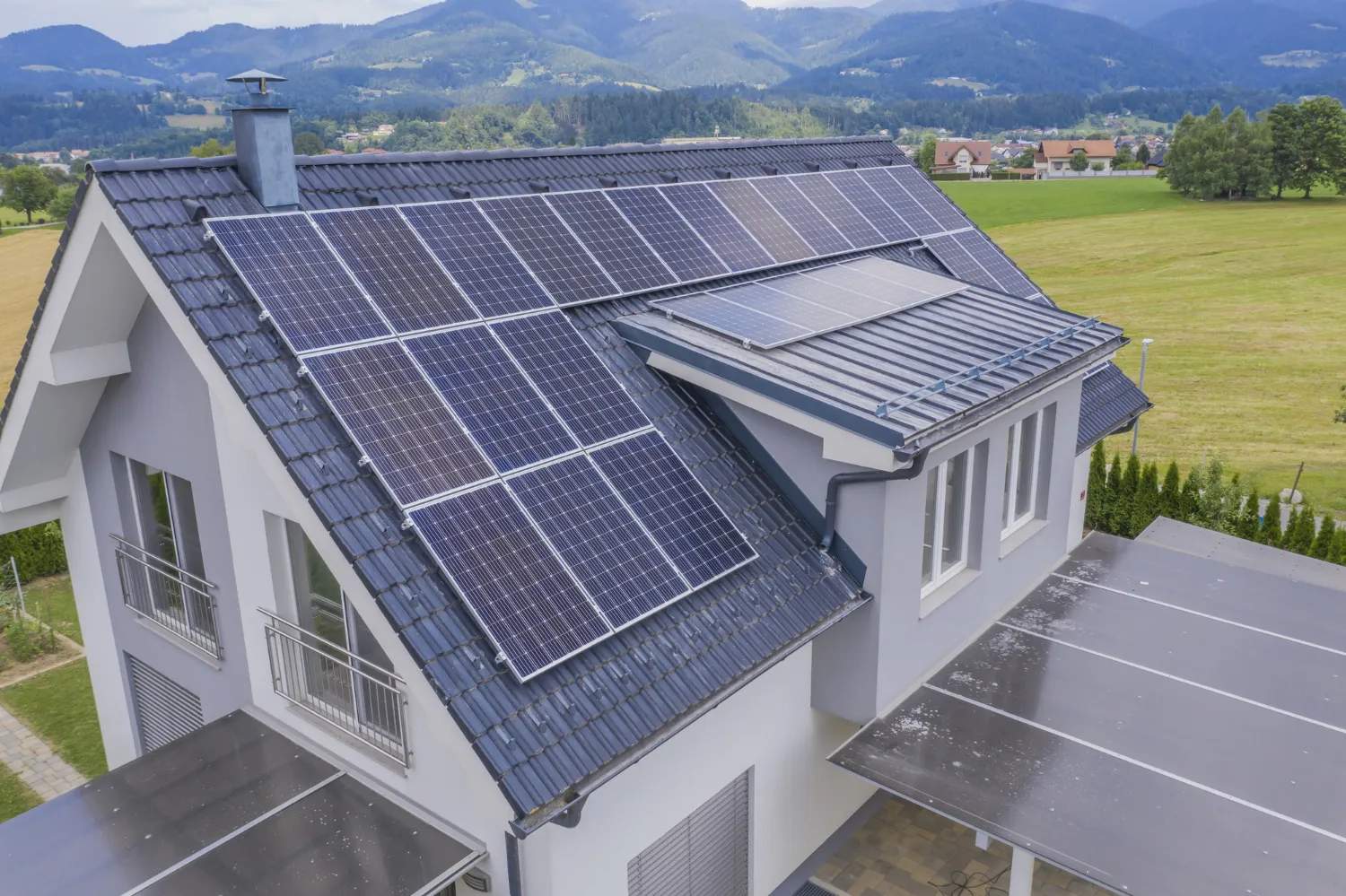
For homeowners interested in making the most of solar energy. Opting for roof-mounted PV panels is a strategic choice. This installation method takes advantage of the prime position of your roof to capture an abundance of sunlight. which is essential for efficient energy conversion. Unlike ground-mounted options. Roof-mounted systems utilize otherwise unused space. Provides a discreet yet powerful solution for solar power generation.
Their advanced location ensures a safe environment for your investment. Also reduces risks related to damage and tampering. It is important to work with a professional to determine the best placement and angle of your panels. To achieve the best possible power output. Factoring in the unique features of your roof. This approach enhances the aesthetic appeal of your home. Contributes significantly to its energy efficiency. Which marks a smart step in practicing sustainable living.
The financial upside of incorporating PV panels into your home. Extends beyond just reducing monthly utility bills. Homeowners can get various incentives like tax credits, rebates and Solar Renewable Energy Certificates (SRECs). Which significantly reduces the upfront cost of solar installation.
Additionally, many local utilities offer such programs. which compensates you for excess energy in your system through mechanisms such as net metering. It provides an immediate return on investment. Also increases the economic efficiency of your solar energy system.
Moreover, the increase in property value is a significant benefit. Because homes equipped with solar energy systems often command high market prices. This financial landscape makes the adoption of PV panels a sound long-term investment. The benefits of which accrue over the lifetime of the system.

For flat roof properties. Applying a special mounting system for PV panels. is crucial for capturing maximum energy from the sun. These advanced systems are designed to adjust the tilt and orientation of the panels. Ensures optimal sunlight exposure throughout the year. Such adjustments are particularly useful in regions with different seasonal sun angles. which allows for a consistent and efficient energy harvest. Design of flat roof mounting system to reduce wind load. Aerodynamics is also considered to ensure stability and durability against the weather elements.
Additionally, these systems can be installed without penetrating the roof surface. Protects the integrity of the roofing material and avoids potential leaks. This uses convenient mounting solutions. Property owners can significantly increase the solar energy potential of flat-roofed homes and buildings. Aligned with energy efficiency goals and sustainability commitments.
Time to start the journey to select the ideal PV panels roof for your residence. It is essential to weigh several important factors. Efficiency is paramount. Monocrystalline panels are celebrated for their superior efficiency and aesthetic appeal. That makes them the preferred choice for those who prioritize performance and design.
Polycrystalline panels, on the other hand, offer a more budget-friendly option with slightly lower efficiency. which may be suitable for larger spaces where cost is a consideration. For houses with unique architectural features or curved surfaces. Thin film panels represent a versatile and lightweight option. Although we generally offer lower efficiency than their silicon counterparts.

Additionally, the longevity and support provided by the manufacturer’s warranty can significantly influence your decision. Provides peace of mind over the lifetime of your installation. Evaluates these aspects in alignment with your energy needs and budget. will guide you to make an informed choice. Your investment will ensure the desired balance between performance, cost and aesthetics.
In terms of solar innovation, Canada is home to many companies dedicated to building roof integrated solar PV panels. These manufacturers, including Solar Roofs, Suntegra and Lumos Solar, along with Architectural Design. A pioneer in the solar technology mix. Their offerings are aesthetically pleasing to both residential and commercial structures. and developed to meet functional requirements. This ensures that the integration of solar panels enhances rather than detracts from the appearance of the property
These companies are recognized for their commitment to sustainability and efficiency. This provides Canadian homeowners and businesses with such options. Which not only generates clean energy but also contributes to the overall design integrity of the building.
Includes a systematic approach to installing PV panels. Initially, factors such as aspect, slope and potential shadows are considered.
A professional assessment is carried out to assess the suitability of your roof. Following this, a detailed plan is formulated. Outlines the best layout for the panels. So as to ensure maximum exposure to sunlight and efficiency in energy production. The installation process then proceeds with the setup of the electrical system. which converts DC to AC power with cables and an inverter.
Finally, a thorough testing phase ensures that. Everything works seamlessly adhering to safety and performance standards. Hiring a certified solar installer is crucial at this stage. Because their expertise guarantees that the system is installed correctly. and comply with all local regulations The whole process is usually quick. Most systems are ready to go within a few days. Depending on the complexity and size of the system.

Proper care and maintenance is the working life of your PV panels roof system. And important to maximize efficiency. Your panels absorb as much sunlight as possible. Regularly scheduled cleaning to remove accumulated dirt, leaves and other obstructions is important to ensure that.
Additionally, any physical damage that may affect performance. Or it is important to conduct periodic inspections to identify and remedy obstructions. Monitoring system output is also essential. Because it can highlight any inefficiency or error early on. Although PV panels are renowned for their durability. Warranties are often over 25 years. Adhering to these maintenance practices can increase their longevity and reliability. Engaging a professional for an annual check-up can complement your maintenance routine. Provides an expert overview of system health. And optimizes its energy production capacity.
Integrate PV panels into your home. Adopting solar energy acts as a powerful catalyst for environmental conservation. This shift significantly reduces the carbon footprint. It plays an important role in mitigating the effects of climate change. Solar energy production emits negligible greenhouse gasses. Which offers a stark contrast to the pollution associated with conventional energy production from fossil fuels.
Moreover, in recycling and sustainable manufacturing practices. Advances in the solar industry further reduce the environmental footprint of solar systems throughout their life cycle. By going solar, households contribute to cleaner air and water. Supports global efforts towards achieving renewable energy targets and conserving natural resources. This positive environmental impact underscores the importance of converting to solar energy. Aligns individual activities with broader sustainability goals.
Are you considering making the switch to solar energy in Victoria, BC? Victoria Solar Panels, the top solar installer in the area. With a commitment to providing high-quality solar solutions, Solar System Victoria is your trusted partner in transitioning to clean, renewable energy for your home. Keep reading to learn more about why Victoria Solar Panels is the best choice for all your solar needs.