
When it comes to sustainable energy sources, solar power often takes center stage. But is solar energy renewable? This question has been a topic of debate among experts and environmentalists. In this blog post, we will delve into the concept of solar energy and explore whether it truly qualifies as a renewable energy source.

Understanding the Basics of Solar Energy
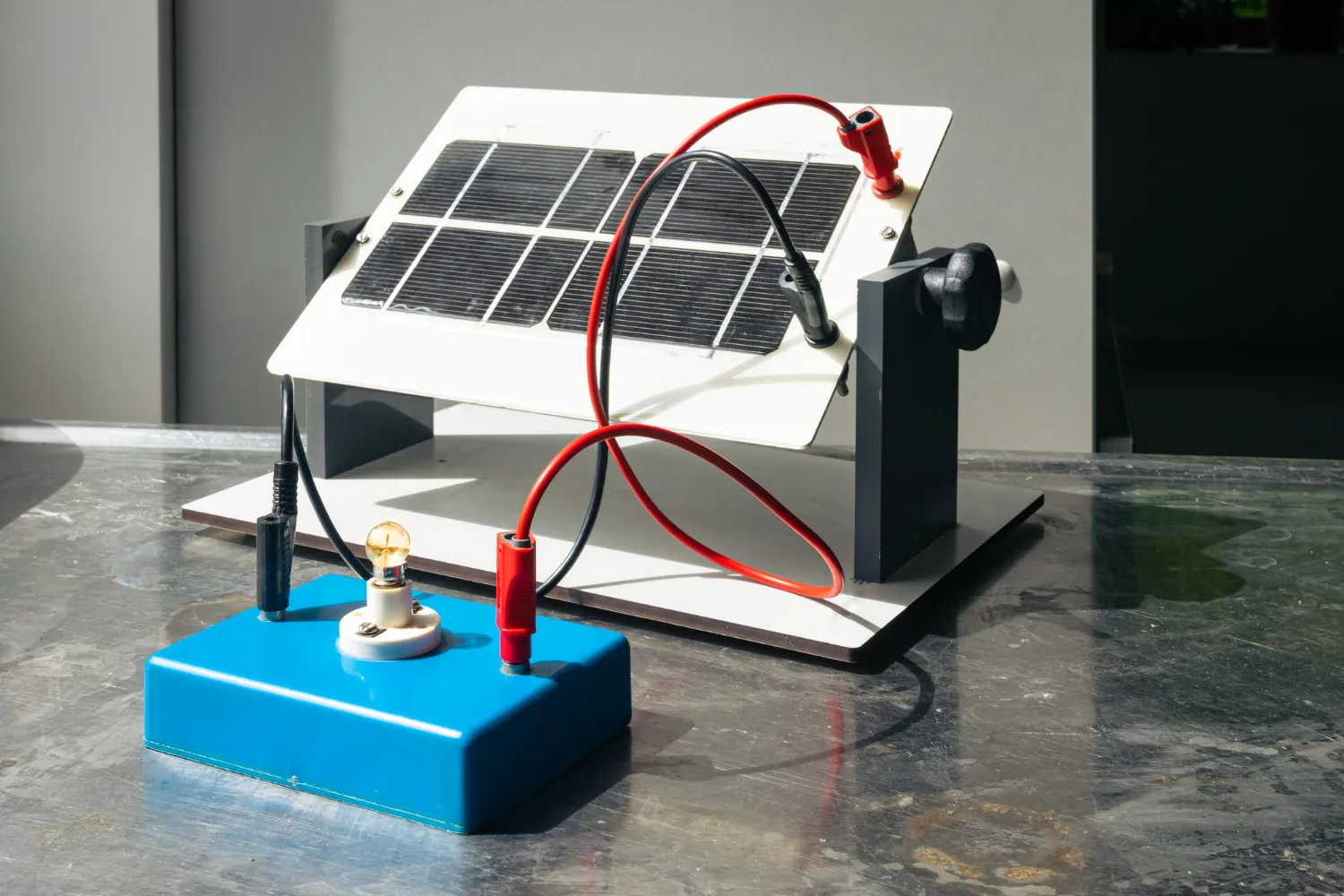
At its core, solar energy harnesses the sun’s immense power, transforming it into electricity that powers our daily lives. This transformation occurs through an intriguing process known as photovoltaic conversion, wherein solar panels absorb sunlight and convert it into a usable form of energy. The beauty of this process lies not only in its simplicity but also in its profound impact on how we source energy. Unlike the depleting reserves of fossil fuels, the sun showers us with a lavish and never-ending supply of rays, promising an abundant source of power that stands in stark contrast to the finite resources buried beneath the earth’s surface.
Capturing Sunlight for a Sustainable Future
What makes solar energy particularly compelling is its reliance on technology that captures and converts sunlight, a resource so ubiquitous that it can be accessed by nearly everyone on the planet. This democratization of energy is pivotal, especially when considering the urgent need to shift away from carbon-heavy fuels. Thus, understanding solar energy is not just about appreciating the technology behind solar panels but also recognizing the transformative potential of tapping into the sun’s eternal reservoir of power.

What is renewable energy?
Renewable energy, in its essence, taps into the natural cycles and forces of the Earth, from the gusts of wind and the flow of water to the warmth of the sun, converting these enduring elements into power without depleting the planet’s resources. Unlike its fossil fuel counterparts, which are mined from finite reserves and diminish with use, renewable energy sources are characterized by their ability to replenish themselves naturally over short periods. This distinct feature not only sets them apart but also aligns them with the principles of sustainability, as they offer a way to meet our current energy demands without compromising the ability of future generations to meet theirs.
The cornerstone of renewable energy
It’s a harmony of human innovation with nature’s rhythms, harnessing the inexhaustible gifts of the environment to power our world. The cornerstone of renewable energy is its minimal impact on the planet, a crucial consideration in an age where environmental degradation poses significant challenges. By drawing on the perpetual bounty of nature, renewable energy stands as a testament to human ingenuity’s capacity to find solutions that work in concert with the Earth’s ecological balance, rather than against it.

The Renewability of Solar Energy
Delving into the question of solar energy’s renewability offers an affirmative nod toward the sun’s ceaseless generosity. The heart of the matter lies in the sun’s enduring luminescence, a steadfast beacon expected to illuminate our skies for billions more years. Its longevity outstrips any conceivable human demand for energy, positioning solar power as an inexhaustible wellspring amidst our quest for sustainable resources. Unlike the finite reserves of coal, oil, and natural gas, which are being rapidly consumed, solar energy presents itself as an eternally replenishing source. This stark difference underlines not just the vast potential of solar power but its inherent renewability.
The Epitome of Renewal for a Sustainable Future
Every morning, with the sun’s rise, we are greeted with a fresh bounty of energy, waiting to be harnessed, transformed, and utilized to fuel the minutiae of our daily lives and the grand designs of our future ambitions. It’s a cycle of rebirth and renewal that paints a vivid picture of sustainability; as long as the sun graces the horizon, solar energy will remain a cornerstone of renewable resources. This perpetual cycle, untouched by the constraints of human consumption, underscores the essential truth: solar energy is not merely renewable, it’s the epitome of renewal itself, offering a glimmer of hope for a sustainable future in energy.

Solar Power Sustainability – Examining the Facts
Solar power distinguishes itself not only through its renewable qualities but also through the lens of sustainability, a concept that goes hand-in-hand with long-term environmental stewardship. One of the most compelling attributes of solar energy systems is their longevity; solar panels are built to last, often exceeding two decades of service with minimal upkeep. They stand as silent sentinels, absorbing the sun’s energy without the need for constant attention, thanks to their lack of moving parts, which significantly diminishes the chances of breakdowns. Moreover, the adaptability of solar power systems is a testament to their sustainability.
Scalable Solar Systems
As energy needs grow or change, these systems can be seamlessly expanded or enhanced, ensuring they continue to meet demand without compromising their efficiency or effectiveness. This flexibility is particularly valuable in an era where energy consumption patterns are evolving rapidly. Equally important is the fact that solar installations can significantly reduce the reliance on non-renewable energy sources, thereby contributing to a decrease in carbon emissions and promoting cleaner air and water. Taken together, these factors not only underscore the sustainable nature of solar power but also highlight its role in paving the way for a future where energy needs are met in harmony with the planet’s well-being.

The Future of Solar Energy – What Lies Ahead
Looking ahead, the trajectory of solar energy promises an era of innovation and sustainability. With ongoing advancements in photovoltaic technology and battery storage capabilities, solar energy is poised to become even more efficient and economically viable. These developments signify a transformative shift towards a cleaner energy paradigm, where solar power not only competes with but potentially surpasses traditional energy sources in both cost and reliability. Furthermore, the integration of solar systems into the grid is evolving, making solar-generated electricity more accessible and dependable for households and businesses alike.
This transition is instrumental in our collective effort to mitigate climate change impacts and steer our energy consumption towards a more sustainable path. As we continue to refine these technologies and improve the infrastructure that supports them, solar energy stands on the brink of reshaping our energy landscape, heralding a future that embraces the full potential of the sun’s abundant resources.