
Solar panels are an investment in clean energy. They reduce electricity bills and support sustainability. The installation cost of solar panels can vary, and many factors affect the final price of a solar system.
Solar Panels Victoria has broken down the cost details, helping you make an informed decision.
Homeowners should know solar prices can vary. Key factors to consider include:
Solar panels come in different types. Higher-quality panels produce more energy but cost more. Panels with better durability may also last longer.
The system size depends on energy needs. Larger systems produce more energy but cost more to install. Smaller systems are cheaper but may meet fewer needs.
The roof’s shape affects installation time. Flat roofs are often easier to install panels on, while complicated roofs may require special fittings, which cost more.
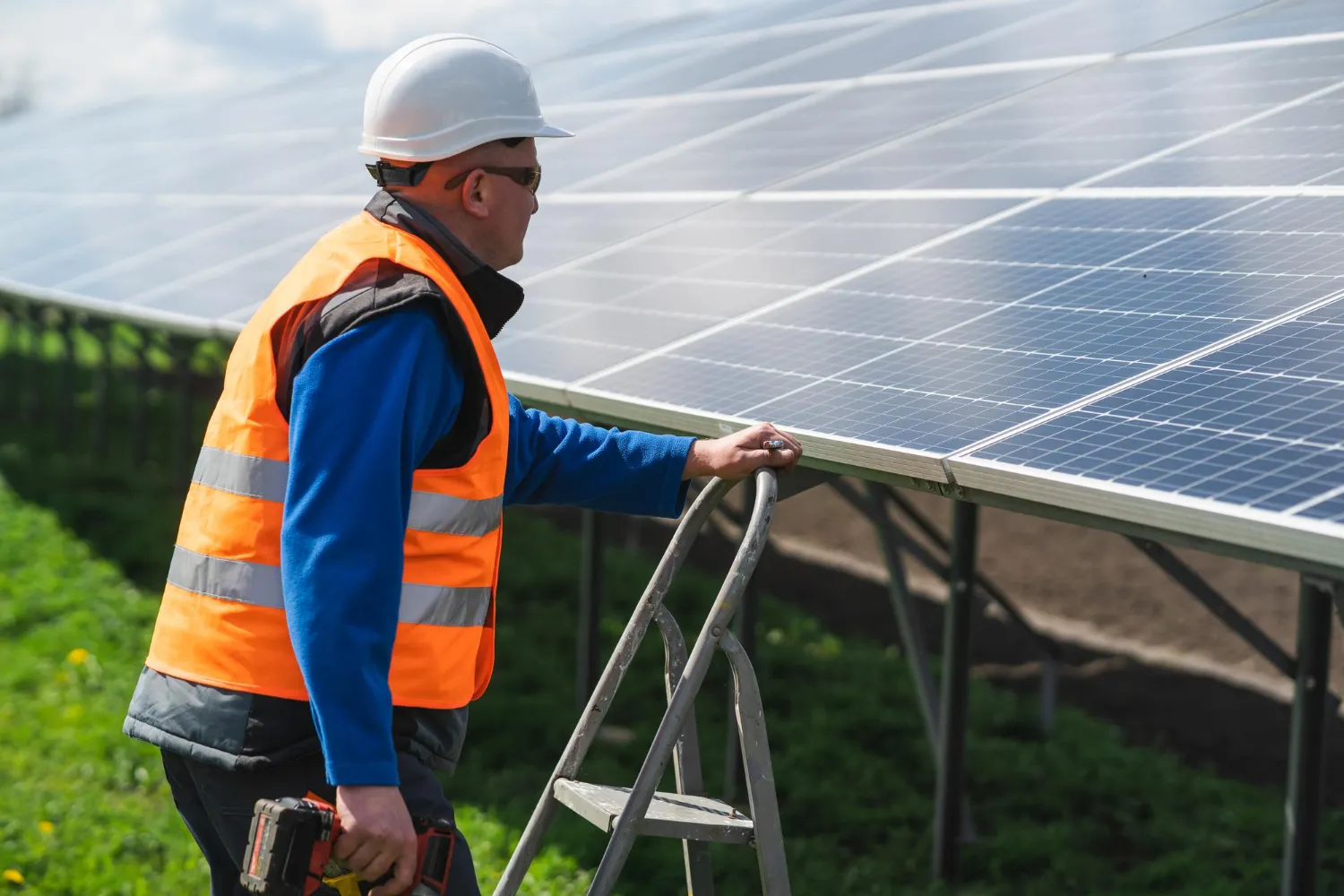
Experienced installers ensure a safe, efficient setup. Labor costs may vary based on location. Installers in BC may charge differently than in other regions.
Solar systems work well in sunny areas. BC has enough sunlight for practical energy production. Victoria’s climate is ideal for solar panels year-round.

The total cost includes panels, inverters, and installation. Panels make up the most significant part of the cost. Inverters convert solar energy into usable power. Labor is the cost of setting up the system.
Here’s a basic cost breakdown:
Professional installation in BC costs between $2,000 and $6,000. Simple installations cost less, while complex installations may increase the total cost.
BC’s cost-per-watt averages around $3. This helps calculate the total system price. A 5kW system might cost about $15,000.
These systems pay back in 8 to 12 years. Energy savings reduce payback time, and rising energy prices make solar valuable.
In BC, solar panels cost $2.50 to $3.50 per watt. Prices vary by panel type and system size. Most home systems are 5 to 10 kW. This costs from $12,500 to $35,000.
Here are factors that affect cost:
Canada has a net metering program. It credits the extra energy you produce, helping lower your electricity bills. Incentives, like the Canada Greener Homes Grant, also lower costs. Solar power is a smart financial choice.
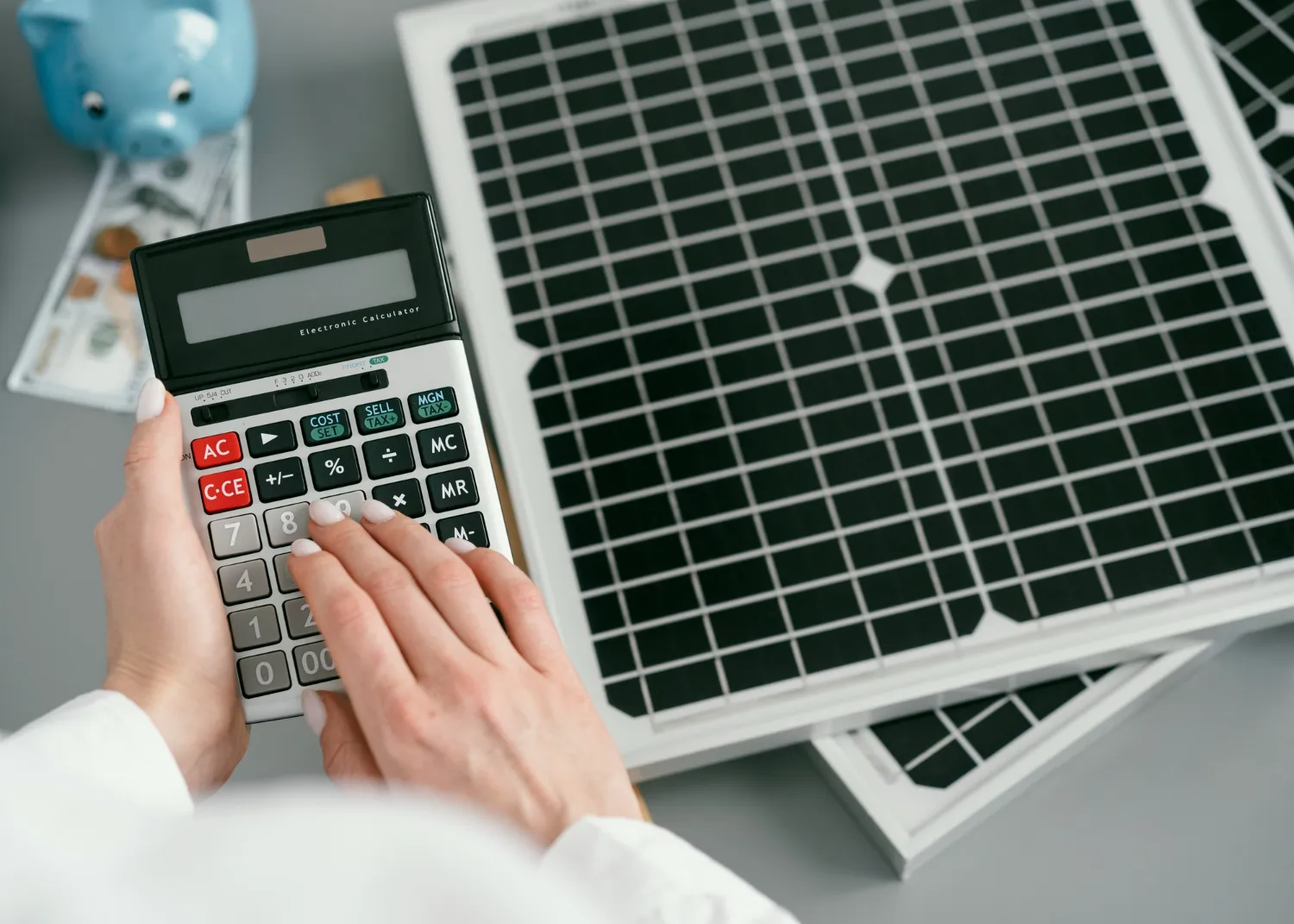
The average cost of a solar system for a home varies. Typical costs range from $10,000 to $25,000. Smaller systems are at the low end, and larger systems are closer to $25,000.
Small homes can use smaller systems. Medium homes require mid-sized systems and large homes often need larger setups. Home size affects the cost of solar energy.
Larger homes use more energy, which increases system size and costs. Small homes may only need a few panels, but large homes need more panels for higher energy output.
Different panels have different efficiency levels. Monocrystalline panels are efficient but cost more, while polycrystalline panels are cheaper but less efficient.
Some homes need custom installations. Ground-mounted systems are one option. Extra materials make these systems more expensive. Roof-integrated panels blend with the roof and are often more costly to install.
Roofs with obstacles take longer to install, and installers may charge extra for difficult rooftops. Flat and straightforward roofs are often cheaper to install.
Consider panel price, labor, and permits to calculate the total cost. More extensive systems need more materials. Each factor adds to the final cost.
How Components Affect Pricing
Different components come with unique costs. Panels, inverters, and batteries each add to the expense. System size and roof shape also affect pricing.
Solar panels lower electricity bills. Most homeowners save hundreds yearly. Over time, savings offset the initial cost.
ROI measures solar savings over time. Many systems pay for themselves in 7-10 years, after which energy savings are essentially free.
Solar panels have a high initial cost. However, they offer years of savings. With proper care, they last 25 years or more. Solar energy is a valuable investment in the long term.
Installation fees may seem high at first. However, financing options can make them affordable, and incentives can also help lower costs. Here are options in Canada: The cost of installing solar panels can be managed easily.
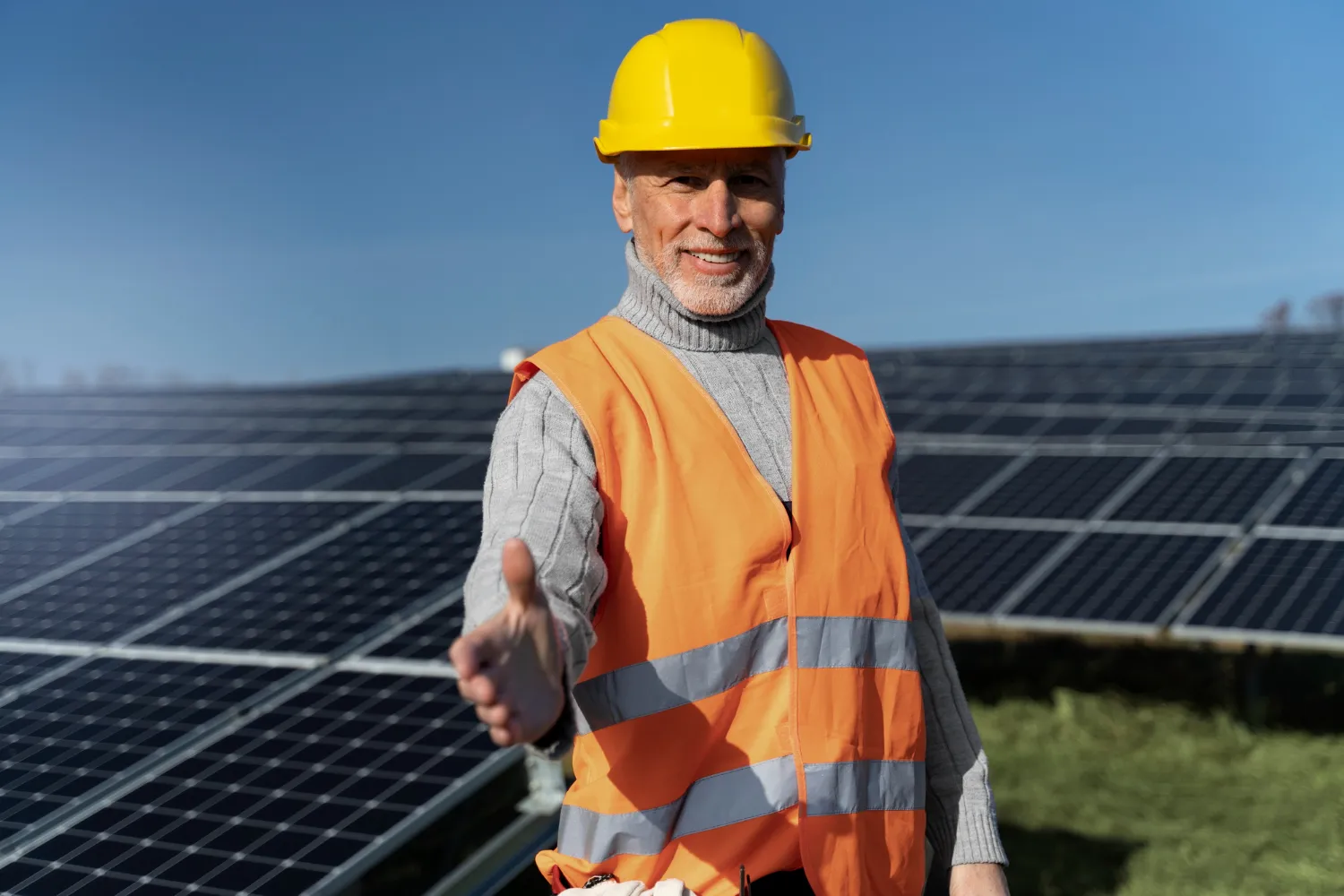
Homeowners have several financing choices. Loans cover the upfront cost, leases allow you to pay monthly, and power purchase agreements (PPAs) offer solar energy without ownership.
Financing can lower initial expenses. Monthly payments replace upfront costs. ROI varies depending on the financing option.
BC offers rebates for solar installations. Programs like the Canada Greener Homes Grant reduce costs. Incentives make solar energy more affordable.
Rebates help lower the cost of solar panels. Tax credits also provide financial relief. Each rebate reduces upfront expenses.
The Canada Greener Homes Grant is a popular program that offers rebates for eco-friendly home upgrades. This grant helps make solar energy more affordable for homeowners.
Loans for energy-efficient projects cover solar costs. Homeowners can pay back these loans over time, and there is no interest on them. Save money while going green!
Need Help?
Get help from us at Victoria Solar Panels. Ask us about solar panels anytime. Our team is here to help you. We make solar simple and straightforward. Call us to learn about costs. Email us your questions today. Fill out our form online. We can’t wait to help!
Are you considering making the switch to solar energy in Victoria, BC? Victoria Solar Panels, the top solar installer in the area. With a commitment to providing high-quality solar solutions, Solar System Victoria is your trusted partner in transitioning to clean, renewable energy for your home. Keep reading to learn more about why Victoria Solar Panels is the best choice for all your solar needs.